

مركز مؤشر الأداء يطلق نتائج دراستي تقييم واقع حال التعليم والخدمات الصحية

التعليم:
38% فقط من الأطفال على المسار الصحيح في مهارات القراءة والكتابة.
52.5% - 60% من الأطفال بسن العاشرة غير قادرون على قراءة وفهم فقرة بسيطة.
ارتفاع نسبة الالتحاق برياض الأطفال 1.5%، والعام 2025 موعد مستهدف لإلزامية تعليم رياض الأطفال بعمر 5 سنوات.
الحاجة الى 2600 غرفة صفية من أجل استيعاب 200 ألف طفل بمرحلة رياض الأطفال.
الطلبة الأردنيين بالمرتبة 75 من أصل 81 عالمياً بالاختبارات القياسية الدولية (PISA).
ارتفاع متتالي بنسبة الالتحاق بالتعليم المهني وأكثر من 18 ألف طالب التحقوا ببرنامج الـ BTEC، وتوسع حكومي بإنشاء المدارس المهنية.
43.1% من المدارس بالمملكة تتبع للقطاع الخاص، و19% من مدارس وزارة التربية والتعليم مستأجرة.
22.25% من المدارس التابعة للوزارة تعمل بنظام الفترتين.
الصحة:
الإنفاق على الصحة يقارب 6.2% من الناتج المحلي، وهو ضمن الحدود العليا عالمياً.
99.9% من الولادات تتم تحت إشراف كادر طبي مؤهل.
الأردن على المسار والاتجاه الصحيح بانخفاض نسب وفيات المواليد الجدد والأمهات أثناء الولادة.
تراجع بمؤشر معدل الوفيات المعياري للعمر بسبب أمراض القلب والأوعية الدموية والسرطان والسكري وأمراض الجهاز التنفسي
انخفاض العمر المتوقع للأردني من 76 إلى 74 عاماً.
تراجع مؤشر التغطية الصحية الشاملة الى 65% بوصوله لمستويات العام 2000.
أعداد الأطباء مقارنة بعدد السكان ضمن المعدلات العالمية، والصيادلة أكثر بـ 3 أضعاف، بينما الممرضين أقل من النصف وهناك نقص في كوادر التمريض المتخصص.
قلة أعداد أسرة غرف العناية الحثيثة والمتخصصة مقارنة بعدد السكان.
لا يوجد أي من مستشفيات وزارة الصحة حاصل على الاعتماد الدولي، والوزارة تستهدف اعتماد 100 مستشفى بحلول عام 2030.
معدل الهدر في الأدوية يقد ما بين 20-25% وبما يعادل 60 مليون دينار تقريباً في وزارة الصحة.
12 مليون دينار الهدر المقدر من قبل المواطنين نتيجة تكدس الأدوية في البيوت وانتهاء صلاحيتها.
الخميس 23 كانون الثاني / يناير 2025
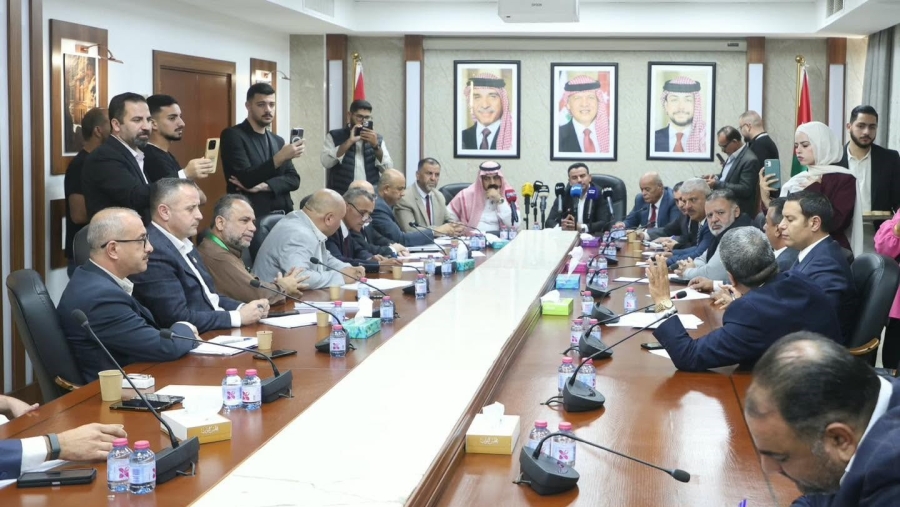
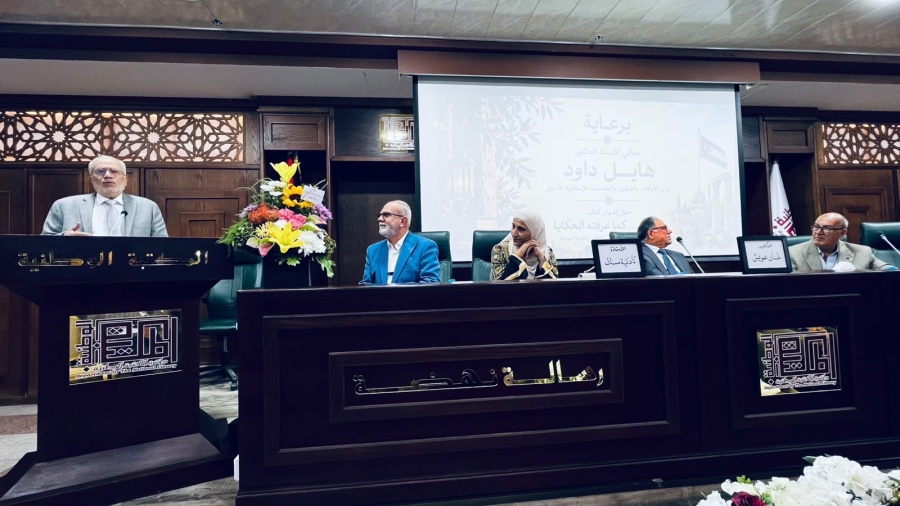
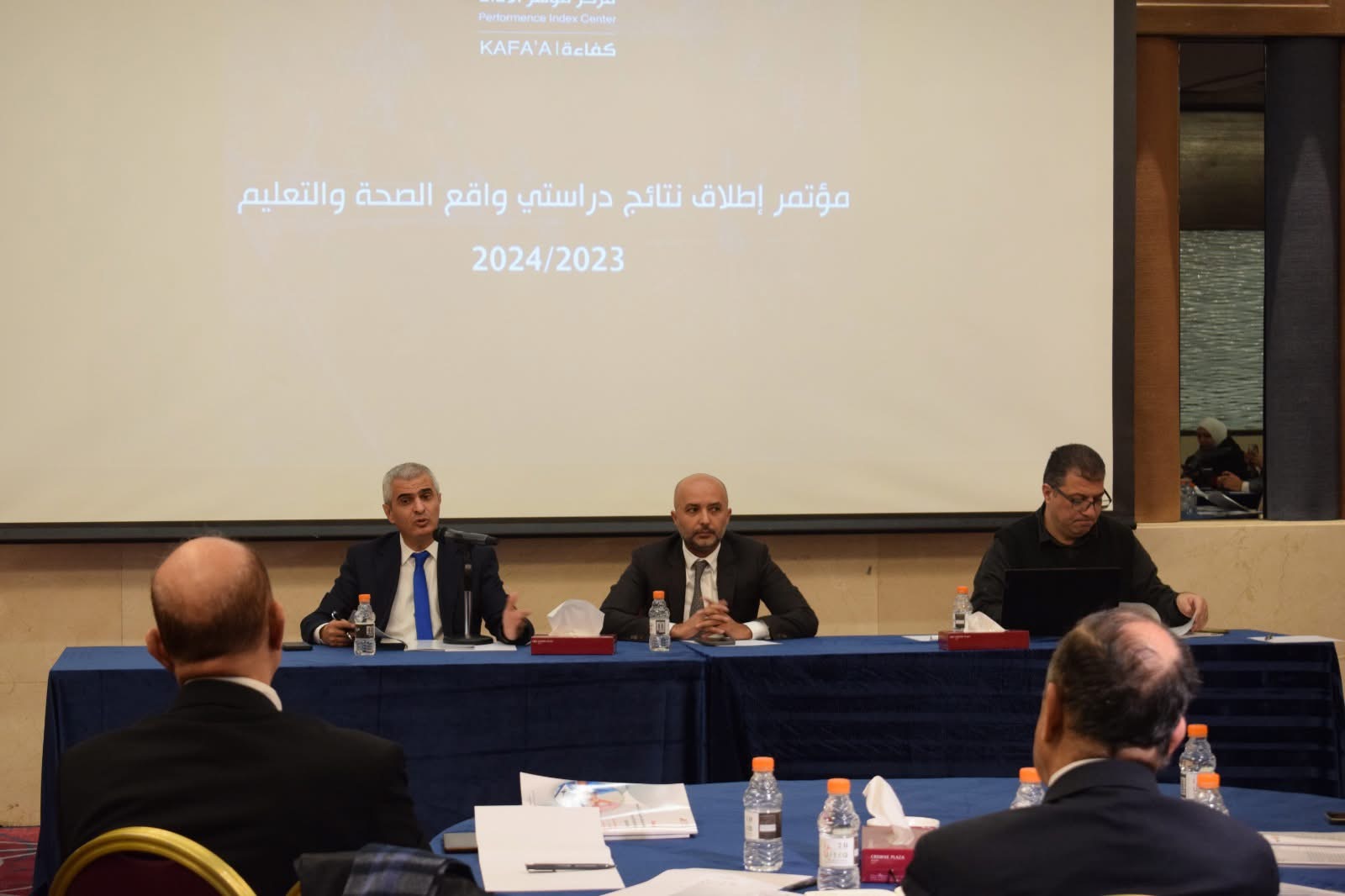
أطلق مركز مؤشر الأداء | كفاءة نتائج دراستين شاملتين تناولتا واقع التعليم والخدمات الصحية في الأردن، مسلطتين الضوء على التحديات التي تواجه كلا القطاعين وأبرز الإنجازات التي تحققت فيهما، بالإضافة إلى تقديم توصيات لتحسين الأداء وضمان جودة الخدمات.
وقد أظهرت نتائج الدراسة أن قطاع التعليم يواجه العديد من التحديات الجوهرية، أهمها ضعف مهارات القراءة والكتابة لدى الأطفال، حيث كشفت الدراسة أن 38% فقط من الأطفال على المسار الصحيح في تطوير هذه المهارات، وأن 52.5%-60% من الأطفال بعمر العاشرة يعانون من فقر التعلم فهم غير قادرين على قراءة وفهم فقرة بسيطة.
وفيما يتعلق بالتعليم المبكر، فقد أشارت الدراسة الى ارتفاع نسبة الالتحاق برياض الأطفال بمعدل 1.5% مع تحديد العام 2025 كموعد لإلزامية تعليم الأطفال بعمر خمس سنوات. ولتحقيق هذا الهدف، فإنه يتطلب إنشاء 2600 غرفة صفية لاستيعاب 200 ألف طفل.
أما على المستوى الدولي، فقد حل الطلبة الأردنيين في المرتبة 75 من أصل 81 في اختبارات (PISA) الدولية، مما يؤكد الحاجة إلى تحسين جودة التعليم ورفع مستوى الكفاءات التدريسية. وفيما يخص التعليم المهني، فقد شهد هذا المسار زيادة ملحوظة في نسب الالتحاق، حيث انضم أكثر من 18 ألف طالب إلى برنامج الـBTEC، وهناك توجه حكومي لرفع القدرة الاستيعابية بإنشاء مدارس مهنية جديدة.
أما على صعيد البنية التحتية فقد كشفت الدراسة أن 19% من مدارس وزارة التربية والتعليم مستأجرة وأكثر من 22% من المدارس تعمل بنظام الفترتين، مع حضور كبير للقطاع الخاص حيث تتبع له أكثر من 43% من المدارس في المملكة، مما يعكس الحاجة إلى استثمارات حكومية أكبر على مستوى البنية التحتية التعليمية.
كما أوضحت الدراسة تقدم الأردن في بعض المؤشرات على المستوى العالمي، حيث يبلغ الإنفاق الصحي الحكومي ما يقارب 6.2% من الناتج المحلي الإجمالي، وهو ضمن أعلى النسب عالميًا و انخفاض نسب وفيات الأمهات والمواليد الجدد حيث أن 99.9% من الولادات تتم تحت إشراف كادر طبي مؤهل.
ومن جهة أخرى فقد كشفت الدراسة عن تراجع لبعض المؤشرات وتحديات عدة منها انخفاض العمر المتوقع للأردني من 76 إلى 74 عام، وتراجع بمؤشر التغطية الصحية الشاملة إلى 65%، مما يعيد القطاع إلى مستويات عام 2000.
كما أظهرت الدراسة نقصًا في كوادر التمريض، حيث يشكل عدد الممرضين أقل من النصف مقارنة بالمعايير العالمية، في حين أن عدد الصيادلة يزيد بثلاثة أضعاف عن المعدلات العالمية. وتبرز أيضًا مشكلة نقص أسرة العناية الحثيثة والمتخصصة مقارنة بعدد السكان. وفيما يخص الأدوية، فإن تبين أن معدل الهدر في وزارة الصحة يقدر بين 20-25%، ما يعادل حوالي 60 مليون دينار سنويًا، بالإضافة إلى 12 مليون دينار يهدرها المواطنون نتيجة تكدس الأدوية وانتهاء صلاحيتها في المنازل.
Education:
Deficiency in children’s reading and writing skills, and only 38% of them are on the right track.
52.5%-60% of ten-year-old children suffer from learning poverty, as they are unable to read and understand a simple paragraph.
1.5% increase in the rate of enrollment in kindergarten, 2025 is the targeted for compulsory kindergarten education for children aged 5 years.
2,600 classrooms needed to accommodate 200,000 kindergarten children.
Jordanian students ranked 75 out of 81 globally in Program for International Student Assessment (PISA).
A successive increase in the rate of enrollment in vocational education. More than 18 thousand students enrolled in the BTEC program, and a government expansion by establishing vocational schools.
43.1% of schools in the Kingdom belong to the private sector, and 19% of Ministry of Education schools are rented.
22.25% of the Ministry’s schools operate on a double shift system.
Healthcare:
Healthcare spending around 6.2% of GDP, which is among the highest globally.
99.9% of births take place under the supervision of qualified medical personnel.
Jordan is on the right track and direction by the decrease in newborn and maternal mortality rates during childbirth.
Decline in the age-standardized mortality rate indicator due to cardiovascular diseases, cancer, diabetes, and respiratory diseases.
Decrease in the life expectancy of Jordanians from 76 to 74 years.
Declined in the Universal Health Coverage (UHC) index has to 65%, reaching the levels of the year 2000.
The number of doctors compared to the population is within global averages, pharmacists are three times more, while nurses are less than half, and there is a shortage of specialized nursing staff.
Shortage of general and specialized intensive care unit (ICU) beds, relative to the population.
There is not any hospital within the Ministry of Health has obtained international accreditation. Ministry targeted to accredit 100 hospitals by 2030.
Rate of pharmaceutical waste estimated between 20-25%, equivalent to approximately 60 million JODs in the Ministry of Health.
12 million JODs estimated waste by citizens due to the accumulation of medicines and their expiration.
Page break
Thursday, January 23, 2025
The Performance Index Center|KAFA’A released the findings of two comprehensive studies on the state of education and healthcare in Jordan. These studies highlighted the challenges facing both sectors, as well as the notable achievements, while offering recommendations for improving performance and ensuring the quality of services.
The education study revealed significant challenges, primarily the weakness in children’s reading and writing skills. The findings showed that only 38% of children are on track in developing these skills, while 52.5% to 60% of ten-year-old children suffer from learning poverty, as they are unable to read and comprehend a simple paragraph.
Regarding early childhood education, the study noted a 1.5% increase in kindergarten enrollment rates, with 2025 set as the target year for making kindergarten education mandatory for children aged five. However, achieving this goal requires the construction of 2,600 classrooms to accommodate approximately 200,000 children.
At the international level, Jordanian students ranked 75th out of 81 countries in the Program for International Student Assessment (PISA), underscoring the urgent need to enhance the quality of education and improve teaching competencies. On a more positive note, vocational education has witnessed significant growth, with over 18,000 students enrolling in the BTEC program. The government has also expressed a commitment to expanding vocational schools to increase capacity.
In terms of infrastructure, the study revealed that 19% of Ministry of Education schools are rented, and more than 22% of schools operate on a double-shift system. Additionally, the private sector accounts for over 43% of schools in the Kingdom, reflecting the need for greater public investment in educational infrastructure.
The healthcare study highlighted Jordan’s progress in certain global indicators. Government spending on healthcare accounts for approximately 6.2% of GDP, ranking among the highest globally. Moreover, Jordan has achieved significant reductions in maternal and newborn mortality rates, with 99.9% of births taking place under the supervision of qualified medical personnel.
On the other hand, the study revealed setbacks and challenges in some areas, including a decline in life expectancy for Jordanians, dropping from 76 years to 74 years. The Universal Health Coverage (UHC) index also declined to 65%, returning the sector to levels last seen in the year 2000.
The study also highlighted a shortage in nursing staff, with the number of nurses being less than half the global standard. Meanwhile, the number of pharmacists exceeds global averages by threefold. A shortage of intensive care unit (ICU) and specialized care beds relative to the population was also identified as a significant challenge.
Pharmaceutical waste is another pressing issue, with wastage in the Ministry of Health estimated at 20-25%, amounting to around 60 million Jordanian dinars annually. Additionally, citizens contribute to waste by stockpiling unused medicines, leading to an estimated loss of 12 million dinars annually due to expired medications.
These findings underscore the importance of targeted reforms to address structural deficiencies in both education and healthcare while building on existing achievements to create a sustainable future for Jordan’s citizens.
Jordan #Health #Education